

by Doug Brodie
In this blog:
[1] Age 62 - were any of these part of your life?
[2] Age 52 - did you riot at the Poll Tax?
[3] Age 42 - MSN Messenger, or did you Blackberry?
[4] Age 32 - you watch Love Island and your parents don’t get it
[5] How to make retirement income from the markets that is insulated from market falls.
Youth for most of our readers was before the narrow waist and broad mind swapped places, and when pensions were nothing to do with us, the sole property of old people. Not us, no. We smoked, we danced, we drank appalling white wine and Southern Comfort, a rave was us watching Gareth Edwards or Eddie Gray.
The average age of a person first contacting us is 62; that person has a very, very different understanding of a pension compared to someone of 52, 42 and 32. Simply, a 42-year-old thinks that if you have £750k / £1m tucked away in your pension, then you have no problems and don’t need any pension guidance at all. That was the express answer given to me by a divisional director of a FTSE 100 provider whose business is in running pensions. These people are different, they had very different formative years, creating their understanding and values.
[1] Aged 62 today (born around 1964, teenage years roughly 1977 to 1983)
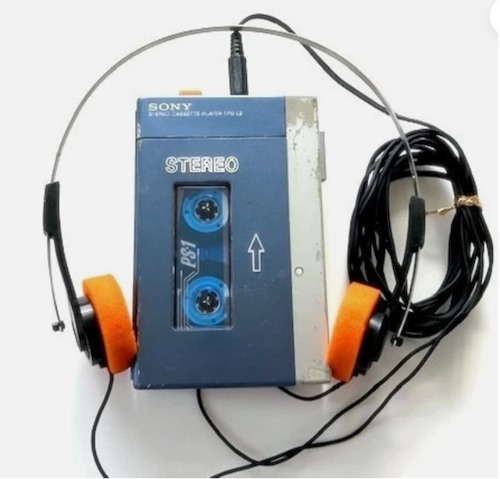
Punk and its aftermath, which began with the Sex Pistols in 1977 and moved through New Wave, Two Tone and the New Romantics, so music became a badge of identity, worn on the sleeve and the jacket.
The Winter of Discontent in 1978 to 1979, followed by Margaret Thatcher's election in May 1979, which ushered in a very different Britain just as this group was leaving school.
High youth unemployment in the early 1980s, which made the step from school into work uncertain for many and became a subject in the music of the time.
The wedding of Prince Charles and Lady Diana Spencer in July 1981, watched by a global television audience and celebrated with street parties across the country.
The first home computers and personal music, with the Sony Walkman and the ZX Spectrum in 1982 giving teenagers technology they could call their own for the first time.
[2] Aged 52 today (born around 1974, teenage years roughly 1987 to 1993)
Acid house and the so-called Second Summer of Love in 1988, which grew into the rave scene and the Madchester sound of bands such as the Stone Roses and Happy Mondays.
The fall of the Berlin Wall in November 1989, an event that seemed to redraw the world map almost overnight on the evening news.
The Poll Tax protests and Margaret Thatcher's resignation in November 1990, which meant this group saw the only Prime Minister many of them could remember leave office.
Italia 90, when England reached the World Cup semi-final and Paul Gascoigne's tears helped bring football back into the mainstream after a difficult decade for the game.
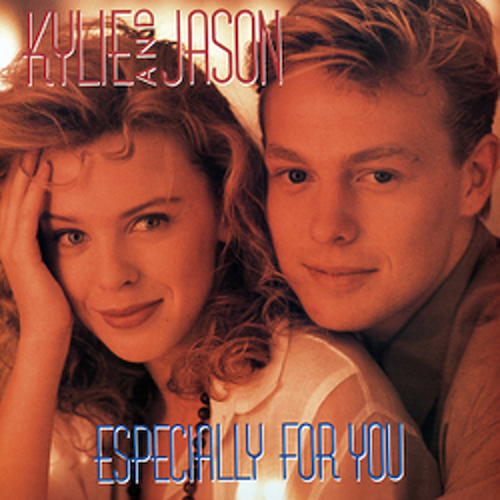
Saturday mornings and screen time shaped by Neighbours, Kylie and Jason, the Stock Aitken Waterman hit factory, and the arrival of the Game Boy and Sega Mega Drive.
[3] Aged 42 today (born around 1984, teenage years roughly 1997 to 2003)

The idea that listening to a person playing their own cd’s through very loud speakers at night was desperately worth flying 2,000 kms to Ibiza. Rave on!
Cool Britannia in 1997, when Britpop, the Spice Girls and Tony Blair's landslide election victory created a mood of optimism that teenagers were very much part of.
The mobile phone in the pocket, with the Nokia 3310 arriving in 2000 and text messaging, alongside MSN Messenger at home, changing the way friendships were conducted.
The Millennium celebrations, with the Y2K bug worries and the Dome, marking a sense of stepping into a new era.
The attacks of 11 September 2001 and the Iraq War in 2003, with the very large anti-war march in London that February, which gave this group their first sharp sense of global events.
[4] Aged 32 today (born around 1994, teenage years roughly 2007 to 2013)
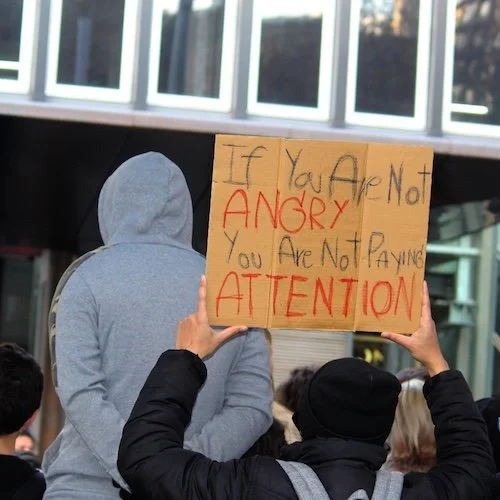
The financial crisis, starting with the queues outside Northern Rock in September 2007 and leading into the years of austerity that followed, which shaped their parents' finances and their own early job prospects.
Smartphones and social media, as the iPhone arrived in the UK in late 2007 and Facebook, YouTube and BlackBerry Messenger became central to teenage life.
University tuition fees in England rising to up to £9,000 a year from 2012, which prompted large student protests in late 2010 and affected precisely this age group when they applied.
The London 2012 Olympics and Paralympics, a summer of national pride with Super Saturday as a highlight, preceded the year before by the August 2011 riots.
Saturday night television dominated by The X Factor, which launched One Direction in 2010 and made talent shows a shared weekly ritual.
[5] How to get income from the markets
The greatest financial risk in retirement isn't necessarily that your pension fund falls in value. It’s that it stops delivering the income you need to live.
You only get to see the share price, but this is where the returns actually come from and why ‘total return’ investing for pension income is a volatile, anxiety-inducing fudge.
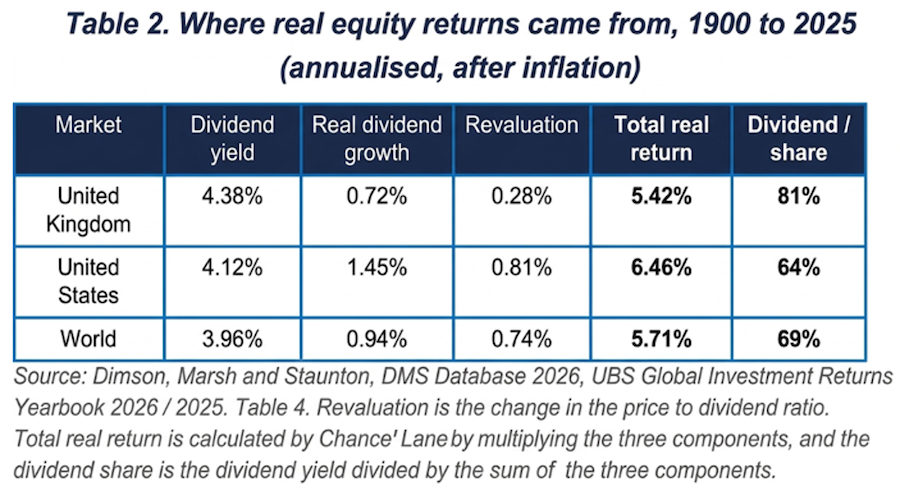
What this is showing is that across world markets the dividends account for 69% of the returns / gains for the shareholders.
Paddle your own canoe (but let the river do the hard yards).

It’s your pension, you’re in charge, the choice is all yours. The market is a fast-flowing river that is never still, the choice is yours: the river / market will go where it’s going, you can try and paddle across to quicker water and you might get there sometimes. Or you can lift your paddle, with minor touches for steering, and let the river carry you down. Effortlessly. Just like fish and ducks. Fight the market all you want, you’ll get tired, you’ll worry and you don’t know quite how successful you’ll be; sometimes you’ll fall into that river.
If you haven’t built your pension sufficiently, then don’t try and get Mr. Market to do it for you - that won’t work, and it won’t rescue you from your accumulation shortfall. Get another job - earn more, whilst spending less, or downsize your equity or your house. Or try down sizing into a multi-generation development like Grønne Eng in Copenhagen - guaranteed you’ll never get lonely:

[6] Defying gravity?
Dividends from an investment trust come from the income its shares earn. They don't come from the trust's share price. Prices move every day with the news, but the companies a trust owns usually keep paying their own dividends whether their share prices went up or down that week. So a fall in the market changes what your holding is worth on paper, and leaves your income largely unaffected. The trust's revenue reserve gives you a second layer of protection.
Revenue reserves explained simply:
Think of a sensible household that puts a little aside from each month's pay into a rainy-day fund. In a good year, an investment trust can keep back up to 15% of the income it receives, and many add to the reserve over decades. When income dips, the board can use that reserve to keep paying shareholders the same dividend, or a slightly higher one. Some long-established trusts have built up enough to pay a year or more of dividends from the reserve alone. In 2021 Alliance Trust, now part of Alliance Witan, reported that it could keep paying a rising dividend for two years even if its holdings paid nothing at all.
The reserve isn't a separate pot of cash in a drawer. It is an accounting record of income kept back, and the money stays invested alongside everything else. A unit trust or OEIC can't build reserves in this way, so its payouts tend to go up and down more. That is one reason our own research at Chancery Lane favours generalist investment trusts for clients who want a steady, natural income.
How well it has worked:
The real test came in 2020, during the pandemic, when UK dividends had their worst year on record. Payouts from UK listed companies fell by 44.1%, which took them back to 2011 levels. In the same year, investment trusts raised their dividends by 4.2%, to a record £1.88 billion.
The chart below puts both on the same starting point of 100 for 2019. These are the steps:
UK companies: 100 × (1 - 0.441) = 100 × 0.559 = 55.9
Investment trusts: 100 × (1 + 0.042) = 100 × 1.042 = 104.2
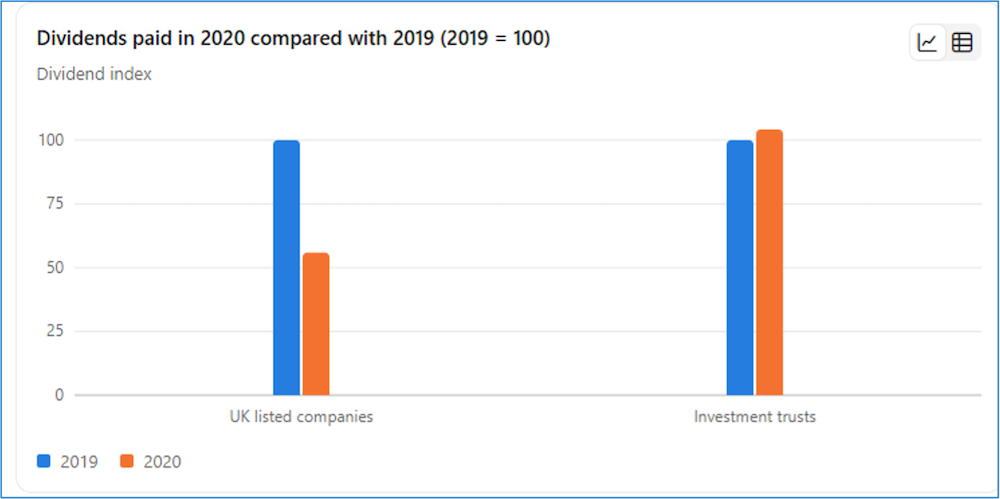
The chart shows that an investor depending on ordinary UK company dividends would have lost almost half that income in 2020. An investor holding investment trusts would, on average, have received a small rise. The trusts managed this by using their reserves: the AIC found that 85% of income-paying investment companies increased or maintained their dividends in 2020, compared with less than a quarter of open-ended funds.
The longer record
The Association of Investment Companies names trusts that have raised their dividend for at least 20 years in a row as "dividend heroes". The AIC's list at 23 September 2026 had 21 of them, led by City of London Investment Trust with 60 years. That run of rises has continued through the 1970s oil crisis, the crash of 1987, the dot-com bust, the 2008 financial crisis and the pandemic. In fact, F&C has paid its dividend every year since it started in 1868 - rain or shine, war and peace, boom and bust, all without fail. That’s not guaranteed, but highly likely.
So, if market falls make you anxious, book a chat, a cup of tea and a handful of Black Jacks and let us talk you through how to create your own personal defined income pension.
🧠 Grey Matter Workout: the answer
Match the musicians to their birth names
Elton John - D) Reginald Kenneth Dwight
David Bowie - E) David Robert Jones
Cliff Richard - B) Harry Rodger Webb
Sting - F) Gordon Matthew Thomas Sumner
Freddie Mercury - C) Farrokh Bulsara
Ringo Starr - A) Richard Starkey
About the author
Doug Brodie is Founder and CEO of Chancery Lane Income Planners. He has specialised in retirement income for over thirty years and is Chartered with both the CISI and CII. This article is general information and not personal advice. Tax rules can change, and the impact of any planning depends on your specific circumstances. Capital is at risk and past performance is not a guide to future returns.